Why Native English Speakers Fail PTE (And How to Fix It)
 Bethany Dobson
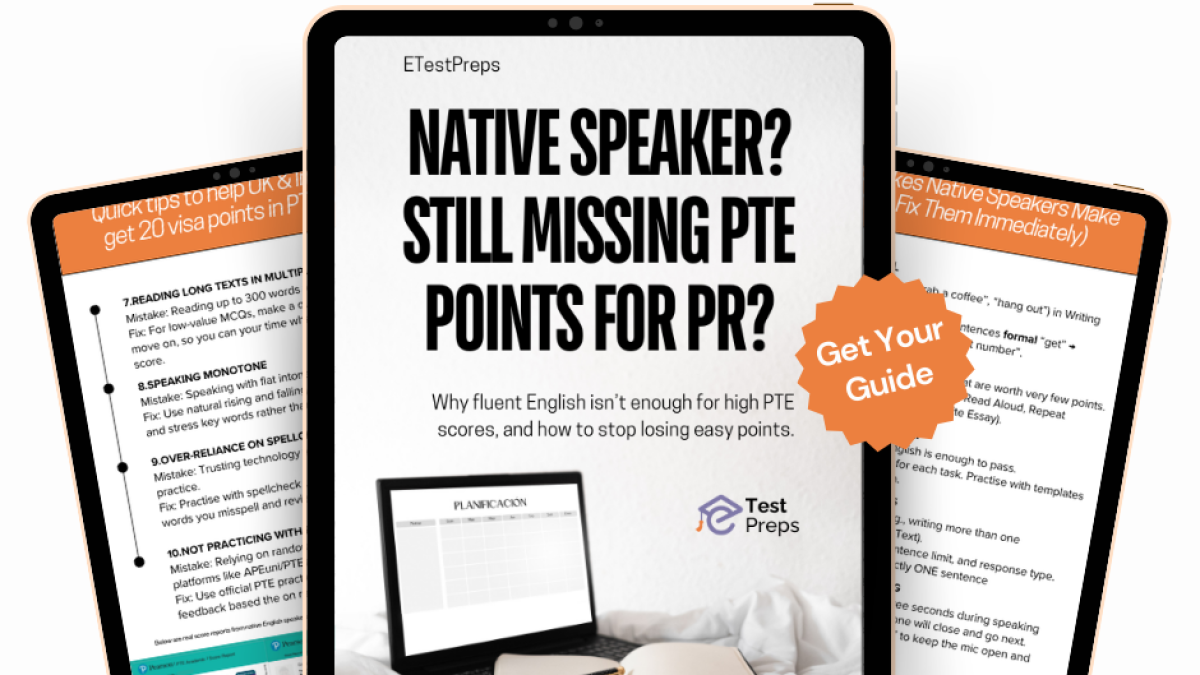
Many native English speakers are surprised by their PTE results. Learn why fluent English is not enough for PTE and how to avoid the most common mista
Many native English speakers assume they will pass the PTE Academic exam easily.
However, many are surprised when they receive their results and realise they missed the Superior score required for migration points.
The reason is simple: PTE does not reward natural English. It rewards understanding the scoring system.
Because the exam is scored by AI rather than human examiners, certain habits that feel natural can actually lower your score.
PTE Is Scored by AI
Unlike traditional English exams, PTE responses are evaluated by automated scoring algorithms.
This means the system analyses things such as:
• pronunciation clarity
• fluency and pauses
• grammatical patterns
• response structure
• word count requirements
As a result, speaking naturally does not always produce the highest score.
Understanding how the system works is essential if you want to achieve a Superior result in PTE.
Common Mistakes Native English Speakers Make
Many native speakers approach PTE like a normal conversation, which often leads to lost points.
Some of the most common mistakes include:
Speaking naturally instead of using a scoring structure
In tasks such as Describe Image or Retell Lecture, structured responses usually score higher than natural speech.
Spending too much time on low-value questions
Some question types contribute far more to your score than others.
Being too informal in writing
PTE writing tasks require a structured and academic tone.
Misunderstanding the scoring system
Achieving a high overall score does not always guarantee the section scores required for migration points.
Why Fluent English Isn’t Enough
Fluent English certainly helps, but PTE rewards exam strategy and consistency.
Small details such as pauses, response structure and fluency can significantly affect your score.
Once native speakers understand how the exam evaluates responses, they often improve their results quickly.
How Native Speakers Can Improve Their PTE Score
If you are preparing for PTE, focus on:
• understanding the AI scoring system
• prioritising high-value question types
• using clear response structures
• maintaining consistent fluency
• following the correct writing format
These adjustments can make a significant difference to your final score.
Free Guide: Native Speaker PTE Mistakes
If you're a native English speaker preparing for PTE, I’ve created a guide explaining the most common mistakes that cause students to lose points.
The guide covers:
• why fluent English isn’t enough
• the most common mistakes native speakers make
• and their corrections to improve your score